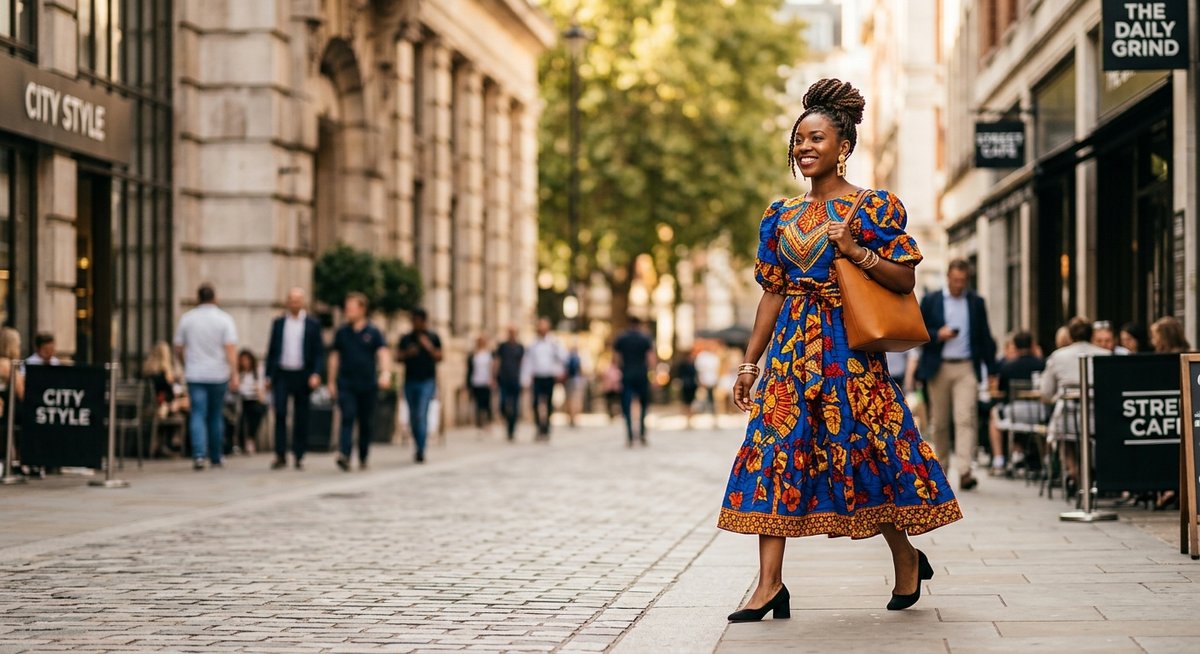
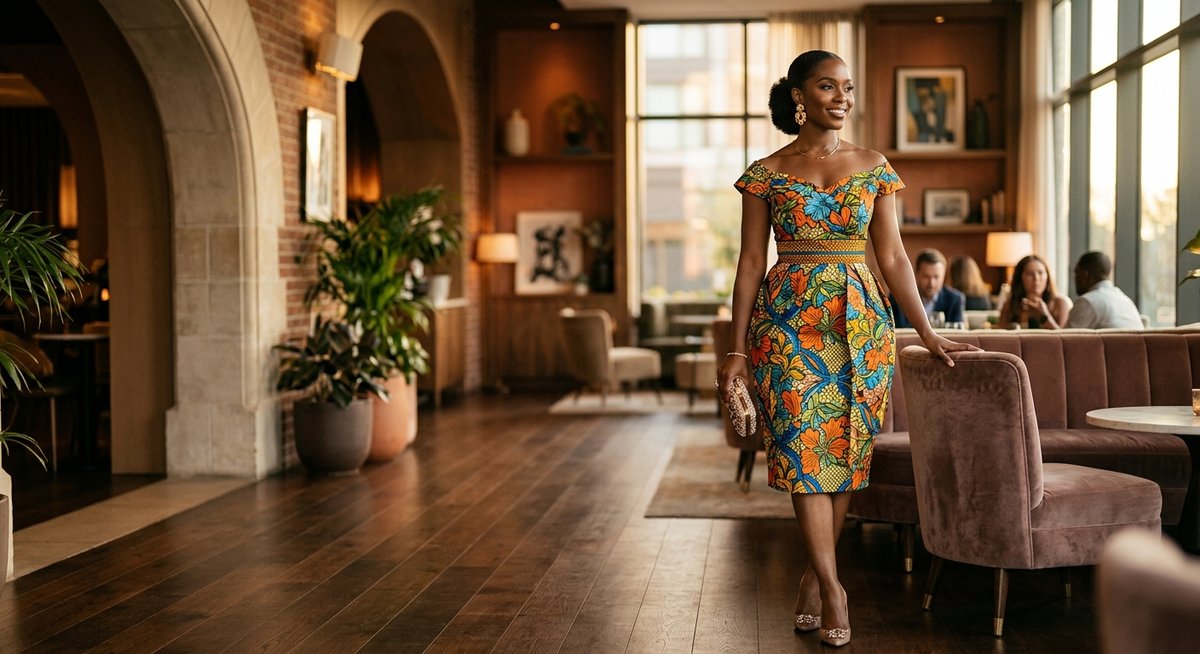
There is a common misconception that looking stylish requires spending a fortune. In reality, the most stylish people are often the most strategic shoppers. Building a wardrobe you love is about making informed choices, not impulse purchases. Here are proven strategies to shop smart without sacrificing style.
Know Your Wardrobe Before You Shop
Before adding anything new, take inventory of what you already own. Lay out your dresses, tops, and accessories and identify gaps. Do you have five cocktail dresses but no casual everyday dress? Are all your earrings gold when your wardrobe leans toward blue tones? Shopping with this knowledge prevents duplicate purchases and ensures every new item fills a real need.
Pro tip: photograph your wardrobe and keep the photos on your phone. When you are tempted by a sale, check if you already have something similar.
Invest in Versatile Pieces
The cost-per-wear formula is your best friend. A $55 wrap dress you wear 30 times costs $1.83 per wear. A $15 trendy top you wear twice costs $7.50 per wear. The wrap dress is the better investment.
Versatile pieces to prioritize:
- Wrap dresses — work for office, weddings, and date nights
- Dashiki shirts — dress up with slacks or down with jeans
- Statement necklaces — transform simple outfits instantly
- Tote bags — carry everything from groceries to laptops
Shop Sales Strategically
Sale shopping is only smart if you would buy the item at full price. Ask yourself: "Would I love this if it were not on sale?" If the answer is no, the discount does not matter — you are still wasting money.
The best times to shop sales are end-of-season clearances and holiday weekends. Many brands also offer first-time customer discounts and newsletter sign-up bonuses. Take advantage of free shipping offers — if you are paying for shipping, the sale price might not be a deal at all.
Choose Quality Over Quantity
A $30 dashiki shirt made from 100% cotton that lasts three years is a better investment than three $10 shirts that fade and fall apart in six months. Quality fabrics hold their color, maintain their shape, and look better with age.
Signs of quality to look for:
- Reinforced stitching at seams and straps
- Natural fibers (cotton, silk blends) over synthetics
- Colorfast dyes that will not bleed or fade
- Clear care instructions from the brand
- True-to-size measurements that reduce return costs
Maximize Accessories
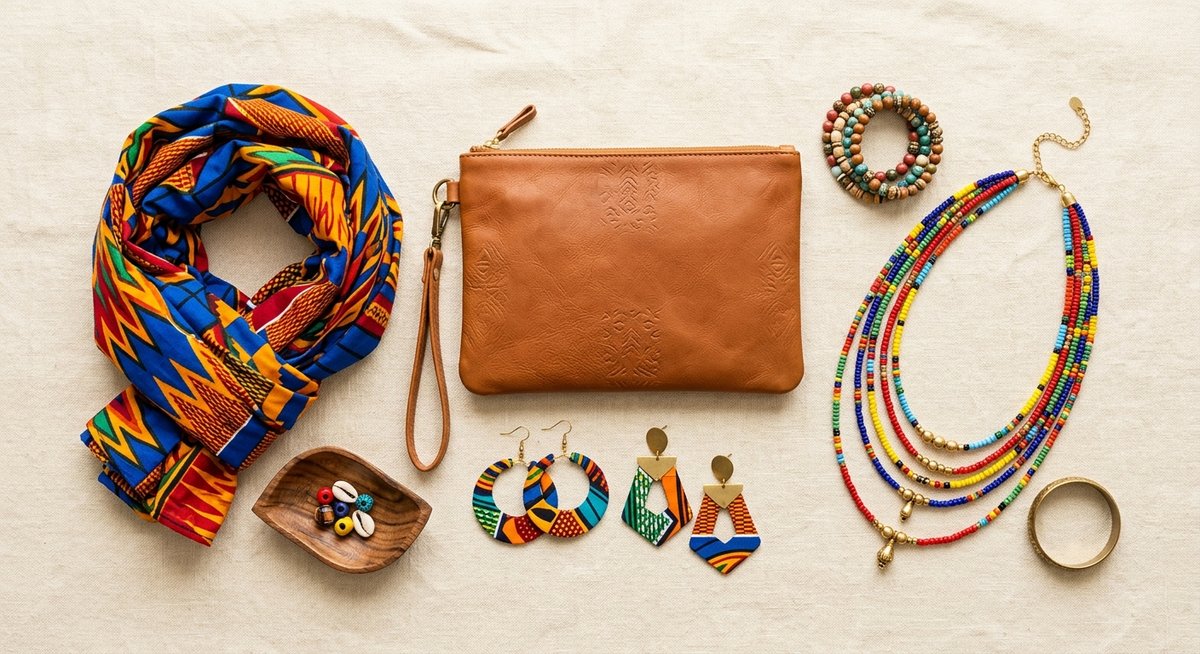
Accessories are the most cost-effective way to expand your wardrobe. A single $15 pair of Ankara earrings can make five different dresses feel fresh. A $12 headwrap scarf can transform a simple outfit into something special. Spending $40 on accessories can give you more outfit variety than spending $200 on new clothes.
Build a capsule accessory collection: two statement necklaces, three pairs of earrings in different colors, one headwrap scarf, and one quality bag. These pieces will mix and match with everything you own.
Read Reviews Before Buying
Customer reviews are free intelligence. Look for reviews from people with your body type, and pay attention to comments about sizing, fabric quality, and color accuracy. If multiple reviewers mention a dress runs small, size up — avoiding one return saves you time and often return shipping costs.
Look for verified purchase badges and detailed reviews that mention specific occasions. A review that says "wore this to a wedding and got compliments" tells you more than "great dress, five stars."
Take Care of What You Own
The most money-saving habit is not shopping — it is maintenance. Following care instructions extends the life of every garment. Hand wash Ankara cotton in cold water, lay flat to dry, and iron on low heat. Proper care can double the lifespan of your clothing, effectively cutting your fashion budget in half.
Store clothing properly too. Fold heavy items to prevent stretching, hang dresses on padded hangers, and keep accessories in separate compartments to prevent tangling and damage.
The Bottom Line
Smart fashion shopping is not about being cheap — it is about being intentional. Every purchase should have a purpose, a place in your wardrobe, and a plan for how you will wear it. When you shop this way, you spend less, waste less, and actually love what you own. That is the real definition of style.